
In our studio we see media marketing teams spend heavily on paid channels while organic search sits underused. SEO media marketing changes that. It turns search into a reliable growth engine that supports content, social, and paid work instead of competing with them.
Quick Summary (2-min read):
SEO media marketing aligns organic search with content production, social distribution, and paid media so every piece of work compounds. Teams that treat search as a demand-capture system reduce paid costs, improve conversion rates, and build lasting visibility across Google Search, Discover, News, and AI answers. This guide covers the practical framework, keyword approach, content systems, measurement, and integration steps we use with clients.
- Treat SEO as demand capture and social/paid as demand creation
- Build one keyword map shared across organic and paid teams
- Create content that serves both ranking and conversion goals
- Measure share of voice, organic-assisted revenue, and paid cost savings
- Run a 90-day launch plan that works alongside existing campaigns
What SEO Media Marketing Actually Means
SEO media marketing is the practice of using search engine optimization as a core part of a broader media strategy. It is not a separate silo. It is the organic layer that captures demand while content, social, and paid channels create and amplify it.
Most media buyers and content teams already know how to find converting keywords in paid search or Meta. The same data becomes the foundation for organic content. High-CPC terms with informational intent turn into durable blog posts, guides, and resource pages. Social posts and paid ads then drive early traffic and signals to those pages.
In our work we define SEO media marketing around three outcomes: lower long-term acquisition costs, stronger brand visibility in organic and AI surfaces, and cleaner attribution between channels. The goal is not rankings for their own sake. The goal is revenue and efficient growth.
SEO is the slow burn. Paid media is the fast strike. When both run from the same keyword map and messaging. Growth compounds instead of competing.
Why Media Teams Need This Approach in 2026

Paid costs keep rising. Organic search still delivers high-intent traffic that compounds. At the same time search itself has changed. Google Search, Discover, News, and AI Overviews all surface content differently. Media sites and brands that only optimize for classic blue links leave traffic on the table.
We also see performance marketers under pressure to show efficient growth. SEO media marketing gives them a way to use the same keyword and creative insights they already collect from paid campaigns. The difference is time horizon. Paid delivers results in days. Organic takes months but keeps delivering after spend pauses.
- Rising CPMs and CPCs make organic a strategic hedge
- AI search and answer engines reward clear, authoritative content
- Shared keyword data shortens the learning loop between channels
- Content that ranks also performs better when amplified on social
For a deeper look at how SEO fits inside digital marketing overall, see our guide on what SEO is in digital marketing.
The Core Framework We Use
We treat SEO and media channels as one flywheel with four connected motions: positioning, demand creation, demand capture, and shared measurement.
1. One Clear Positioning
Every page, post, and ad should reinforce the same promise, audience, and proof points. When messaging stays consistent, search engines and users both recognize the brand more easily. In our studio we start every engagement with a short positioning document that feeds both organic content briefs and paid creative.
2. Demand Creation Across Social and Paid
Social content and paid media put ideas in front of people who are not yet searching. That exposure creates brand familiarity and often drives branded searches later. It also generates engagement signals and occasional backlinks that support rankings.
3. Demand Capture Through SEO
Organic search captures people who already have intent. The pages that rank for those queries should answer the question fully, include clear next steps, and link to related content. This is where technical health, on-page structure, and topical depth matter most.
4. Shared Measurement
Track organic sessions, assisted conversions, share of voice on priority terms, and the reduction in paid spend required to hit the same volume. When both teams look at the same dashboard, decisions improve.
Keyword Strategy That Serves Both Organic and Paid
Stop maintaining separate keyword lists. Build one universe segmented by funnel stage and intent.
| Funnel Stage | Intent Type | Primary Use | Example Approach |
|---|---|---|---|
| Awareness | Informational | Organic content + light paid social | Educational guides and explainers |
| Consideration | Commercial investigation | Organic comparison pages + retargeting | Best-of lists, feature comparisons |
| Decision | Transactional | Paid search priority + organic support | Service pages, pricing, case studies |
Pull high-converting search terms from Google Ads reports and top-performing ad copy from social. Look for informational queries that still convert. Those terms are often expensive to buy but easier to rank for with strong content. We also review competitor organic rankings and “People Also Ask” data to fill gaps.
Long-tail and question-based keywords work especially well for media and content brands. They match how people actually search and often feed featured snippets and AI answers.
Content Systems That Rank and Convert
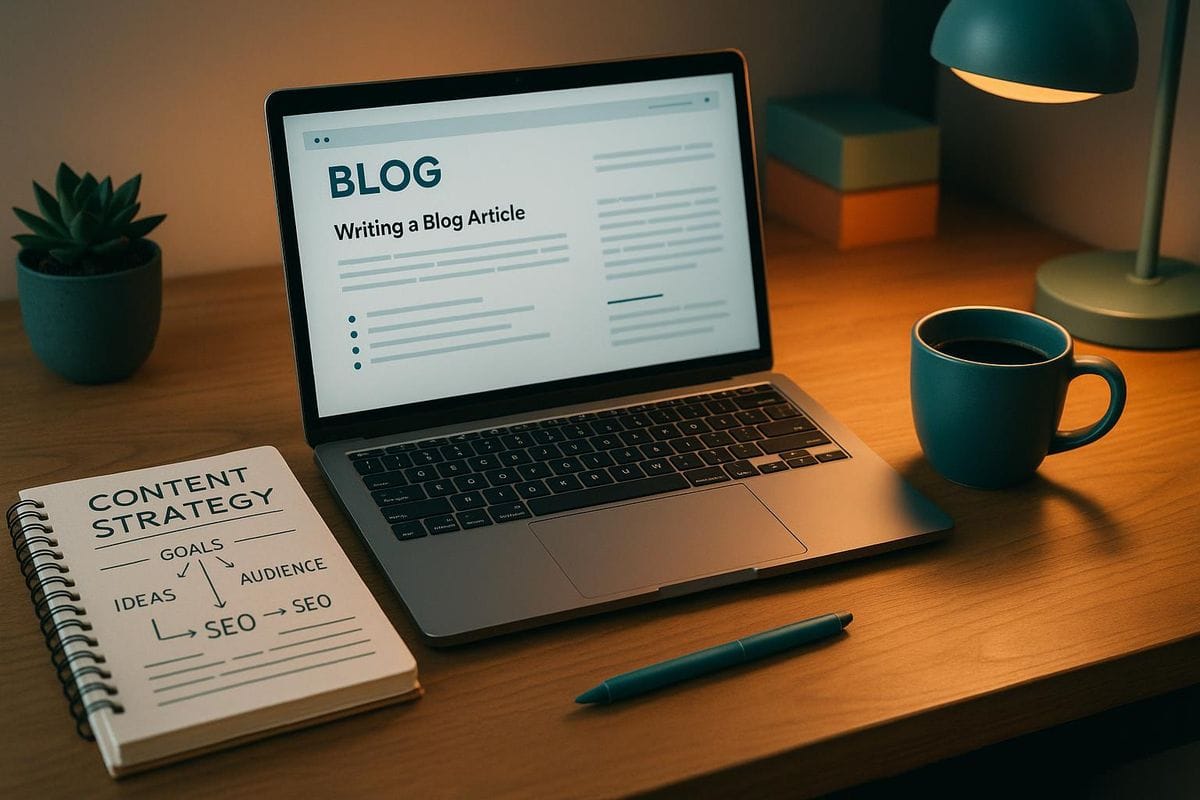
Content is the main vehicle for SEO media marketing. Generic posts that chase volume rarely perform. We focus on topical clusters: one strong pillar page that covers a broad subject, supported by related cluster articles that go deeper on sub-topics. Internal links connect everything and pass authority.
Structure every piece for both readers and search engines. Clear headings, short paragraphs, scannable lists, and direct answers near the top help users and help AI systems extract accurate information. Add schema where it makes sense (Article, FAQ, HowTo, Organization).
- Map the full topic cluster before writing the first piece
- Write for the primary search intent first, then expand
- Include original data, examples, or process details that competitors lack
- Optimize title, meta, headings, and first 100 words for the target term
- Publish, interlink, then promote through social and email
- Refresh high-potential pages every 6–12 months with new data and links
For teams already running paid media, repurpose winning ad angles and customer language into organic content. The messaging that converts in ads often converts in search as well.
Technical Foundations for Media Sites
Media and content sites publish at volume. That creates technical risks: crawl budget waste, slow templates, duplicate content, and index bloat. We prioritize Core Web Vitals, clean sitemaps, proper canonicals, and fast mobile rendering.
For publishers, Google News and Discover require additional care. Freshness signals, structured data, author pages, and clear publishing policies all matter. Large sites also need thoughtful internal linking so newer or deeper pages can still gain visibility.
Key technical checks we run on media and content sites
- Index coverage and crawl stats in Search Console
- Core Web Vitals on key templates
- XML sitemaps split by content type when needed
- Canonical and hreflang correctness
- Structured data validation
- Internal link depth for important cluster pages
Integrating SEO with Paid Media and Social
The highest returns appear when organic and paid teams share data and creative. Paid campaigns can test messaging and landing page variants quickly. Winning variants inform organic page updates. Organic content that ranks can then be promoted with modest paid budgets to accelerate early traction.
Social distribution multiplies reach. A well-optimized article shared on LinkedIn, Instagram, or TikTok gains traffic, engagement, and potential links. Over time those signals support rankings. We also use social listening and comment themes to discover new content angles that people are already discussing.
For a clear comparison of organic search versus paid search approaches, review our post on SEO vs SEM.
If your team runs full-funnel paid programs, the same logic applies across the customer journey. See how we approach full-funnel ecommerce advertising for parallel thinking that transfers well to media marketing.
Measurement That Leadership Understands
Rankings alone do not persuade leadership. We report on metrics that map to business outcomes.
- Organic sessions and qualified traffic growth
- Organic-assisted conversions and revenue
- Share of voice on priority keyword clusters
- Reduction in paid spend needed to maintain volume
- Branded search growth as a proxy for demand creation
- Content engagement rates and time on page for key assets
Track these in a shared dashboard that both SEO and paid media teams review monthly. When organic starts covering high-intent terms, paid budgets can shift toward testing and expansion rather than pure volume defense.
90-Day Launch Plan
You do not need to pause paid campaigns to start. The first 90 days focus on foundations and quick wins that sit alongside existing work.
- Days 1–15: Audit technical health, map existing keyword data from paid reports, and define the first topic cluster.
- Days 16–45: Publish or heavily update 4–6 high-priority pages. Fix critical technical issues. Set up basic tracking and internal links.
- Days 46–75: Expand the cluster, begin light social and email promotion of new content, and start testing paid support on top performers.
- Days 76–90: Review early ranking and traffic data, refine messaging based on performance, and lock the ongoing content cadence.
After the first quarter the system becomes more predictable. Content production, technical maintenance, and channel integration run as ongoing processes rather than a one-time project.
Common Pitfalls We Help Teams Avoid
- Treating SEO as a pure traffic play with no conversion path
- Creating content that ignores the language already proven in paid ads
- Publishing high volume without topical focus or internal linking
- Measuring only rankings instead of revenue and cost impact
- Keeping organic and paid teams completely separate
Avoiding these mistakes keeps the program practical and defensible with leadership.
How Our Team Approaches SEO Media Marketing

At Kaaf Media we run SEO as part of integrated media work, not as an isolated service. Our content and creative teams, social specialists, and paid media strategists share keyword maps, messaging frameworks, and performance data. That shared foundation is what turns separate channels into a single growth system.
We also maintain strong technical standards on the sites we manage and focus on E-E-A-T signals that matter for both classic search and AI visibility. The result is content that ranks, converts, and supports paid efficiency over time.
If you want to explore how this approach would look for your brand, our search engine optimization service page outlines the scope we typically cover. You can also start with a conversation through our book a call page or request a free audit.
External Resources Worth Reviewing
For authoritative background on search behavior and SEO fundamentals we recommend Google’s own documentation on search and the ongoing research published by Search Engine Land. These sources stay current with algorithm and SERP changes and help keep strategy grounded in platform reality rather than speculation.
Google Search Central documentation
Search Engine Land guide to SEO
Next Steps
SEO media marketing works when search is treated as infrastructure rather than a side project. Start with a shared keyword map, one focused content cluster, and clear measurement that shows both traffic and cost impact. From there the system scales.
Our team is ready to help you map the first 90 days and align the work with your existing paid and social programs. Reach out when you want a practical plan built around your actual data and goals.