
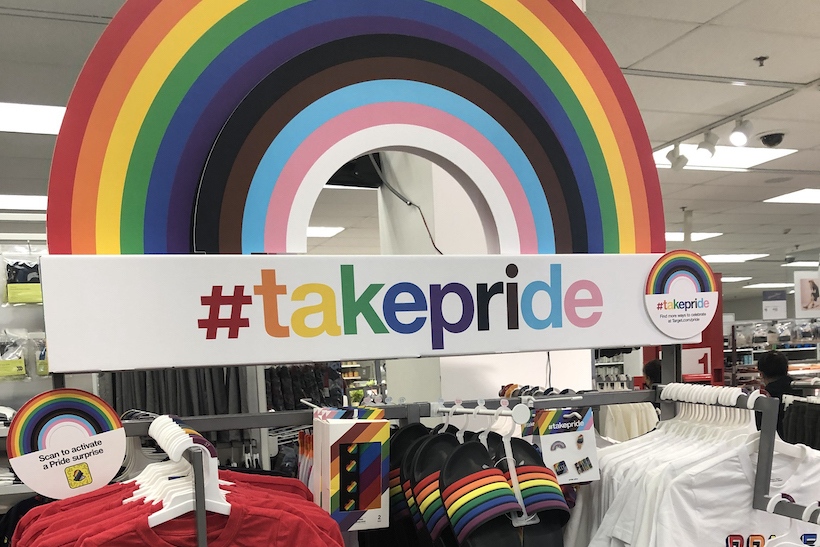
Target’s 2023 Pride collection became a textbook case in brand backlash crisis management. In May of that year, the retail giant rolled out Pride themed merchandise built around its long standing public support for LGBTQ plus communities, and within weeks the company was fighting critics from every direction over the same decision.
The Challenge of Standing by a Public Position
Target’s 2023 Pride collection triggered immediate backlash from conservative consumers and media figures, who accused the retailer of pushing an agenda instead of selling clothing. The pressure moved fast. Target pulled a number of items from stores and moved Pride displays away from front entrances in certain locations, citing safety concerns for staff.
The retreat did not end the controversy. It started a second one. LGBTQ plus advocates and progressive customers read the removals as proof that Target’s original commitment to inclusivity was conditional, and they accused the brand of caving the moment the pressure got loud.
- Conservative media calling for a boycott over the Pride merchandise
- In store confrontations that Target cited as a staff safety concern
- Progressive customers and LGBTQ plus advocates reacting once items were pulled
| Audience | What They Wanted | Reaction to the Retreat |
|---|---|---|
| Conservative critics | Removal of the Pride merchandise | Treated the removal as a win |
| LGBTQ plus advocates and progressive customers | Full follow through on Target’s stated inclusivity commitment | Accused Target of caving to pressure |
How We Would Have Built the Response Before Launch
Kaaf Media Network was not behind Target’s Pride campaign, but the failure pattern here is one our crisis management team plans against for every client running values based marketing. A cultural campaign should not enter production without a locked position and a response plan built for both directions of backlash, not just one.
Services We Would Deploy
- Stakeholder and risk mapping across both audiences before launch
- Message testing against known critics, not just supporters
- A conviction statement leadership commits to holding under pressure
- A crisis response protocol written in advance, not during the backlash
- A consistency audit across every channel so no one platform looks like a retreat
The point of this framework is not to avoid criticism. Criticism is close to guaranteed for any values based campaign. The point is to make sure the brand’s response, and the brand identity work behind it, are decided before the pressure starts, so the reaction looks like conviction instead of improvisation.
The Result of Trying to Please Everyone
Target’s stock value came under pressure in the weeks that followed, alongside a stretch of negative national press. Within the first week of the backlash, the stock price fell 15 percent, according to public reporting on the incident. Multiple financial outlets also tracked market cap swings in the billions of dollars over the following weeks, though analysts were split on how much of that decline traced to the Pride backlash specifically versus broader retail conditions Target was already facing that quarter.
What is not disputed is the reputational outcome. Conservative critics claimed a win once items were pulled. Progressive customers felt abandoned by the same decision. Target ended up in a weaker position than if it had held either direction with conviction from the start.
Target tried to please everyone and ended up pleasing no one.
Frequently Asked Questions
Why did Target’s retreat backfire instead of ending the backlash?
Pulling items signaled that the original commitment was negotiable. Once a brand takes a public stance and appears to abandon it under pressure, both supporters and critics read the retreat as weakness rather than compromise.
Could Target have avoided the backlash by never launching the collection?
Silence carries its own cost. A brand that quietly drops a position it has publicly supported in past years sends close to the same signal as a retreat, just earlier in the timeline.
What is the half measure trap in brand messaging?
It is the attempt to satisfy opposing audiences by partially reversing a stance instead of fully holding or fully changing it. Half measures rarely reduce backlash. They usually extend it by giving both sides a new reason to react.
Did Target’s stock price actually drop because of the Pride backlash?
The two events happened in the same window, but that is not the same as proof of cause. CNN’s reporting found that analysts pointed to Target’s broader retail conditions and a weak earnings report around the same time as bigger drivers of the stock’s decline than the Pride controversy alone.
How should a brand prepare for a values based campaign before launch?
Decide the position in advance, test the message against likely critics rather than only supporters, and write the crisis response before it is needed. A plan built during a backlash is almost always weaker than one built before it.
Final Thoughts
If your brand is navigating cultural moments or values based marketing, Kaaf Media Network helps you build messaging that is authentic, consistent, and operationally grounded, so you can stand by your stance without wavering. Explore more brand case studies from our team, or book a free brand strategy session today.